Waterproof cement
Rigid-Crete
Waterproof plastering and plaster-screeding
₦6,000 per 25kg bagIndicative
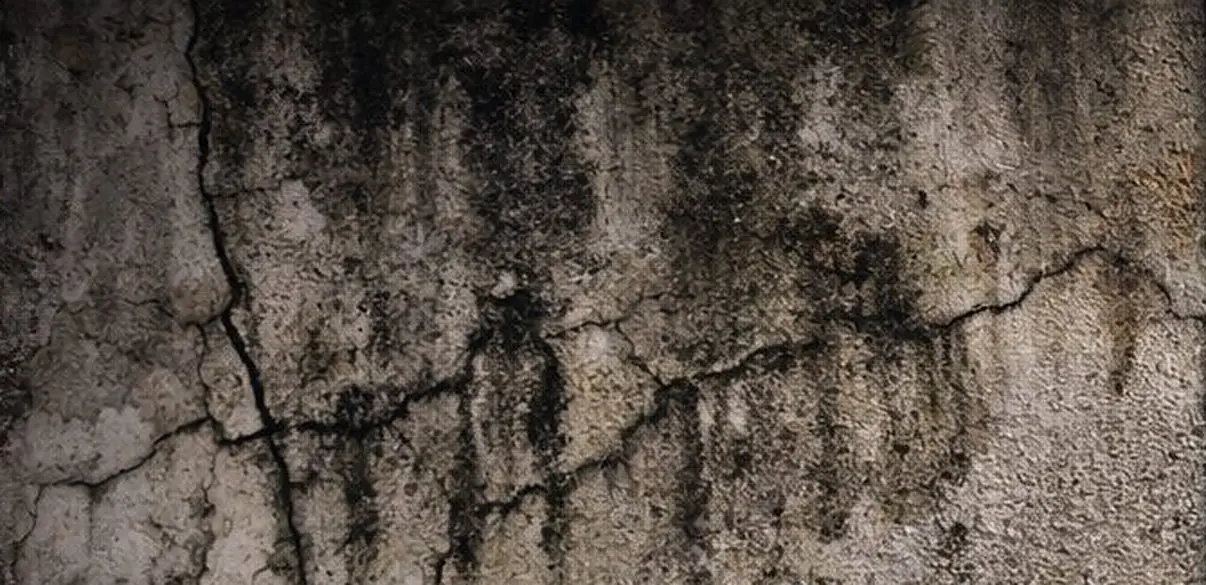
Inspection-led treatment of damp, stained and peeling walls: we look for the likely moisture source first, then repair and refinish the wall with suitable waterproof materials.
Damp walls show up as dark patches, salt deposits, peeling paint, mould and crumbling plaster. Painting over them rarely lasts, because the moisture is still there. The first step is to understand where the water is coming from.
Moisture can reach a wall in several ways, and the visible symptoms alone do not always show which one it is:
The right method depends on the cause and on the condition of the wall. After inspection, most jobs follow one of two routes.
Where plaster is loose, crumbling or badly damaged, we remove the deteriorated plaster and prepare the surface underneath. The wall is then replastered with the specified waterproof material, mixed with cement, plaster sand and water where applicable, and a waterproof screeding or finishing coat is applied where specified. Finally, the wall is left to cure and dry properly.
Where the wall itself is sound and the damage is mainly on the surface, we remove loose paint and unsuitable material, prepare the surface and apply a suitable waterproof screeding or finishing system. The wall is then allowed to cure and dry.
Not every damp wall can be fixed by screeding alone. If the moisture comes from a leaking pipe, the roof or poor drainage, that has to be fixed first, and we will tell you so. Our waterproof materials help protect suitable surfaces, but they are not a substitute for a damp-proof course.
LDPS supplies these materials — for our own projects or for your builder.
All materialsWaterproof cement
Waterproof plastering and plaster-screeding
Waterproof cement
Waterproof plastering and plaster-screeding
Highly water-resistant screed
Smooth interior and exterior wall finishing
Highly water-resistant screed
Wall and floor screeding
Common causes include capillary moisture movement (rising damp), plumbing and roof leaks, rain entering through exterior walls, cracks, poor drainage and failed or missing damp-proof courses. We inspect the wall to find the likely source.
Sometimes. If the wall is sound and the damage is mainly on the surface, we may only need to remove loose paint and apply a waterproof finishing system. Loose or crumbling plaster has to come off first.
No. Our waterproof materials help protect suitable surfaces against moisture, but they are not a substitute for a damp-proof course, and not every case of rising damp can be solved by surface treatment alone.
Yes. Photos of the wall, where it is and when the damp appears help us give a first view before we visit.
Tell us about the surfaces and the site. Photos help us understand the job before we visit.
Prefer WhatsApp? Send photos there